
Mental-Gut Health
Love thy gut!

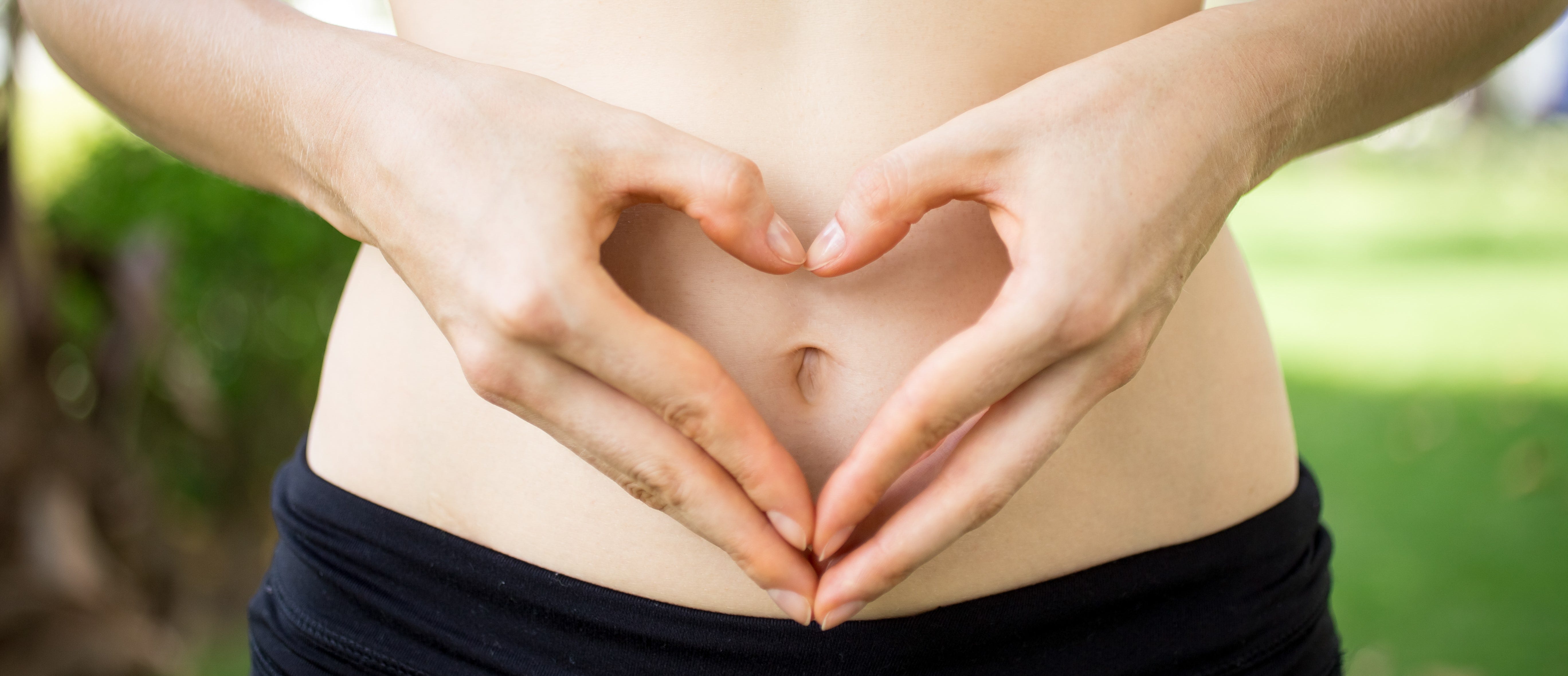
Bacteria: the invisible friend… or foe.
In this article, I’ll delve into the importance of these microscopic beings in our lives, as discussions around mental health often overlook the role bacteria play in it. Curious to expand my knowledge on the subject regarding the involved processes, I delved into scientific papers and learned more about the mechanisms. While I knew bacteria were important in our lives, updating my knowledge made me perceive how underrated their importance truly is. It's no surprise that many people are struggling with physical and mental conditions without understanding the reasons behind it!
Let’s delve into the subject and learn why bacteria are so important for us.
Bacteria have a massive role in our bodies and, therefore, in our lives. They can influence digestion, immunity, mood, and cognition, creating the grounds for psychological and neurological conditions such as anxiety, depression, stress, cognitive impairment, and sleep disorders. Our gut microbiome has been implicated in cognitive processes related to information processing and integration. It can influence learning performance, with the continual presence of healthy bacteria being necessary for positive cognitive and affective outcomes. This means bacteria play a critical role in shaping affect, neurological processes, social relationships, development, and psychological pathology, as they can directly modify our neural functions, affecting various psychological processes and mental states.1
But how?
We have billions of bacteria living inside our bodies, and gut microbes (the ones in the gastrointestinal tract) can produce several brain neurotransmitters such as GABA, dopamine, norepinephrine, serotonin, histamine, etc. Therefore, they can influence the central nervous system. However, it’s not as if the gut is producing the neurotransmitters used in the brain, as those are primarily produced in the brain itself. Most of the neurotransmitters produced in the gut regulate the gastrointestinal pathway. Nevertheless, gut bacteria can alter the synthesis and degradation of neurotransmitters, thus influencing their production in the central nervous system. The key dynamic involved here is the intricate connection between the gut and the brain through what's known as the gut-brain axis. This axis constitutes a complex bidirectional communication system integrating neural, hormonal, and immunological signaling between the gut and the brain. This communication allows them to check in with each other regarding how things are going. It's a two-way mechanism: the gut signals the brain, and the brain signals back. Therefore, if the gut isn't okay, it won't provide adequate support for the brain to perform at its best.2
Making an analogy, it's akin to the gut and the brain being in a marriage, residing together in the same house. While both lead their separate lives and manage their own affairs, they find greater happiness when they foster their relationship, viewing it as a partnership where each supports the other. We could say the brain is the one stepping outside to earn a living while the gut takes care of household chores.
After learning this, I believe most people's initial thought would revolve around food, given that what we eat nourishes the bacteria living in our intestines. Consuming the wrong types of food can allow bad bacteria to dominate our microbiome, sending unfavorable messages to the brain. When these malevolent bacteria are fed enough, they start acting like bullies, demanding sugar and fat, which favors the development of adverse conditions. This onslaught leaves the brain feeling disoriented, prompting adverse responses and resulting in mental, emotional, and physical illnesses. I’m sure Hippocrates would find this knowledge quite pertinent.
"Let food be thy medicine and medicine be thy food" ~ Hippocrates
“Love thy gut” ~ Scientists
Our current lifestyle
The way our contemporary society is organized is anything but healthy. There's too much work and too little time to prepare and savor food. Even if people desire it, they'll struggle to find time to create fresh, healthy meals abundant in antioxidants and pro/pre-biotics. Hence, the system promotes convenience, but good health and convenience don't always go hand in hand.
It’s important to note that this isn't an individual problem; it's systemic. Turning this into an individual issue by blaming people for not caring for their health is not the solution. Admittedly, some individuals may not prioritize their physical or mental health, but nowadays, many genuinely aspire to take better care of their minds and bodies, yet find it challenging. The influence of the system on our behavior is formidable. Resisting a system structured for excessive labor and cheap industrialized food is a battle that's hard for most people to win. This is where fast food comes into play, encompassing more than just burgers and fries; it includes a wide range of cuisines such as pizzas, sandwiches, Asian dishes, and more. The industry has surged to accommodate the modern way of living. Urbanization has played a significant role, with a large portion of the world's population moving from the countryside to cities in the past century.
What can we do to improve gut bacteria and mental health?
Let's start with the physical aspect and then delve into the psychological.
Intestinal dysbiosis, an imbalance or disruption in the normal microbial community present in the gastrointestinal tract, is linked to elevated stress, anxiety, depression, and mood disorders, which are more common in people with functional gut issues. Different cultures have recognized this connection through life events, even before science confirmed it. Ancient cultures like the Indian or Chinese encoded this knowledge in their health scriptures long ago. Making jokes about a person being constipated and behaving angrily or unpleasantly is something common. In Brazil, we use the word 'enfezado' to signify that, as 'fezes' mean feces, so someone 'enfezado' is figuratively full of feces inside, which influences their behavior in such a way.
Probiotics, prebiotics, and synbiotics show potential as treatments for symptoms of depression, anxiety, and stress. They may restore microbial balance in the gut, minimizing gastrointestinal complaints, improving mood, and even enhancing the effects of antidepressant medication. However, it's worth noting that antidepressant medication can sometimes cause constipation or diarrhea. Psychobiotics provide alternative treatment options for mood disorders and their symptoms.3
But what are all those?
Probiotics: These are live microorganisms, primarily beneficial bacteria like Lactobacillus or Bifidobacterium strains. When consumed in adequate amounts, they confer health benefits for the gut.
Prebiotics: These are non-digestible fibers or compounds that serve as food for the beneficial bacteria already present in the colon. Essentially, they act as fuel for the probiotics, promoting their growth and activity. Prebiotics are commonly found in foods such as certain fruits, vegetables, whole grains, and legumes.
Synbiotic / Psychobiotic: This refers to a combination of probiotics and prebiotics that work together to promote a healthy balance of microorganisms in the gut. Studies are underway on medications based on this combination as a form of treatment.
So, what would be good to eat to help the gut microbiome? Following this logic, we would have to focus on whole foods, fresh food, also known as real food. Here are some examples:
Probiotic-rich foods such as yogurt, kefir, sauerkraut, kimchi, and kombucha can help promote a healthy gut microbiome as they contain the beneficial living organisms that populate our intestines.
Prebiotic foods like garlic, onions, leeks, asparagus, bananas, and whole grains provide nourishment for beneficial gut bacteria in the form of food that these bacteria enjoy.
Fiber-rich foods, including fruits, vegetables, legumes, and whole grains, can support the growth of beneficial gut bacteria. Fiber is essentially a carbohydrate that we cannot use as a source of energy, but bacteria can (although certain types of fiber can be fermented by bacteria in the gut, producing short-chain fatty acids (SCFAs) that can provide a limited amount of energy for our bodies and also play a role in various physiological processes).
Fermented foods like tempeh, miso, and pickles contain beneficial bacteria that can help improve gut health. Food undergoes fermentation because of microorganisms like bacteria, yeasts or fungi.
Polyphenol-rich foods such as berries, dark chocolate, green tea, and red wine have been shown to promote the growth of beneficial gut bacteria. These are antioxidants.
Omega-3 fatty acids found in fatty fish, flaxseeds, and chia seeds may help reduce inflammation in the gut and support a healthy gut microbiome. Reducing inflammation is one of the best things we can do for our general well-being.
Avoiding processed foods, added sugars, fat, and artificial sweeteners can help maintain a healthy balance of gut bacteria because bad bacteria crave excessive amounts of sugar and fat. Reducing the consumption of meat and dairy products is advisable, and if eating those, opt for low-fat options. Processed meats should be avoided at all costs as they are known to be carcinogenic. They have been classified as Group 1 carcinogens by the International Agency for Research on Cancer (IARC), a part of the World Health Organization (WHO), indicating there is sufficient evidence linking their consumption to an increased risk of certain types of cancer.
Eating a whole foods, low sugar, low-fat diet is the way to go. Lots of fruits, vegetables, legumes, grains, and cereals. The Mediterranean diet, vegetarian, or vegan diets would be the best to follow, as they are packed with all the good stuff. A personalized mix of those would be interesting too, or something that abides by the principles mentioned before, such as using whole, fresh foods. Avoid caveman diets, as we live in apartments and shop for groceries in the supermarket. Also, avoid exotic or any other fad diets that are not sustainable in the long run; no need for shenanigans. Remember, we are changing our mindset for life, not just for the next month. It is important to allow time for our mind and body (and bacteria) to adapt.
What else besides food?
Exercise is good for us. The role of exercise in gut biome is substantial, as physical activity is known to increase the levels of beneficial microbes and metabolites in the gut. It also boosts gut motility, enhancing the availability of carbohydrates and amino acids in the colon for bacterial metabolic processes and fermentation, thus creating healthy short-chain fatty acids (SCFAs) associated with various health benefits. Moreover, it aids in regular bowel movements, which prevents feeling constipated.
Now, an important piece of information. It's worth noting that the intensity of exercise can also play a role. Intense exercise may promote inflammation and lead to dysbiosis, while moderate-intensity exercise has been associated with positive changes in the gut microbiota, plus optimized weight loss.4 So, there's no need to push our bodies to the limit every time at the gym; we're not training for a gold medal in the Olympics.
And as a plus...
Human romantic relationships offer opportunities for bacterial exchange and colonization, potentially influencing the composition of the microbiome. Kissing is a good opportunity to acquire bacteria, hopefully good ones if a person takes good care of their gut health.
Now, the psychological part.
Anxiety! One aspect I always address with my clients is to have a clear understanding of this emotional reaction. Learning about anxiety is a starting point to adopt strategies, as when we are anxious, we tend to have less emotional control, less willpower to regulate our diet, and we seek out more rewards that may not be the best for us, like high-sugar and high-fat foods, as these foods can provide a sense of pacification and satisfaction, reducing anxiety. Therefore, understanding what triggers our anxiety is crucial to maintain stability and functionality. It can change how we interact with ourselves and the people around us.
To further explain, anxiety serves as a body's defensive mechanism. When our mind generates a thought or perceives a situation as threatening, dangerous, or potentially harmful in any way, it triggers a response. Often, this response manifests as anxiety, a physiological reaction designed to make the body responsive to potential threats and protect itself. When anxious, we seek ways to escape this emotional state because it brings discomfort (as it should, to provoke agitation for fighting or fleeing from the perceived threat).
One way people cope with chronic anxiety is by consuming readily available food, fast foods, or comfort foods. While this is completely acceptable occasionally, individuals with anxiety disorders may be significantly affected. The regular pursuit of these kinds of foods directly impacts mental health, leading to perceived adverse effects like deviating from planned diets, weight gain, and a sense of weakness and failure. It becomes a vicious cycle: eating to feel good, then feeling bad due to what they've eaten.
A book supporting cognitive and behavioral changes during dieting.
The Beck Diet Solution: Train Your Brain to Think Like a Thin Person
Judith S. Beck
I'd like to recommend this book for diet planning. Actually, the book isn't about a specific diet; it's a guide that emphasizes the psychological aspects of weight loss and our relationship with food. It focuses on restructuring our sabotaging thoughts and behaviors around food and eating, identifying and challenging negative beliefs regarding our ability to follow a diet plan. Additionally, it comes with a companion workbook providing practical exercises, worksheets, and additional guidance to complement the concepts discussed in the book.
What lies in the future? The new frontiers of research.
Scientists are delving into interesting studies concerning the gut-brain relationship, such as the potential influence of the gut microbiome on the therapeutic effects of psychedelics, as specific gut bacteria have been found to modulate the metabolism of psychoactive compounds present in psychedelics, affecting their bioavailability and effects.5 While it may sound like a joke, research suggests that the quality of our gut bacteria could impact the quality of a psychedelic experience. Getting a better trip duo to better gut bacteria. Just kidding, but this opens doors to potential new and effective treatments.
Another intriguing finding concerns addiction. While research has typically centered on brain areas linked to reward processing and negative reinforcement, recent studies reveal that addictive behaviors can also be influenced by mechanisms beyond the nervous system, such as the gut-brain axis. Gastrointestinal peptides and alterations in the gut microbiome have been directly associated with addictive behaviors. Consequently, we might anticipate new forms of psychotherapy and medication based on these discoveries.6
Moreover, the influence of gut microbiota on brain function in young adults is an area of growing research interest. Emerging adulthood, which encompasses the ages of 18 to 25, is a critical period for neurobiological development and the maturation of the hypothalamic-pituitary-adrenal (HPA) axis. During this period, the gut microbiota of emerging adults is thought to be simpler, less diverse, and more unstable compared to younger or older individuals. This plasticity in the gut microbiota could play a potential role in the rising mental health issues seen in westernized societies.7
Thus, young people, take note of your diet!
More research is being conducted that involves the gut-brain axis, exploring connections between neurological conditions such as epilepsy, stroke, and further expanding the understanding of the body's interconnections within the 'muscle-gut-brain axis'. Other topics of interest are also being explored.
Leaving a few reflections hanging in the air.
“How many new psychotherapies and drugs specifically based on this new paradigm will come to exist?"
"Should psychology and medicine schools include more disciplines focused on this subject?"
"What is the full extent of the integration between humans and bacteria?"
Conclusion
This subject is so important that perhaps in the future, with a better understanding of the relationship between the gut and the brain, we may use the term 'mental-gut health' to refer to mental health. For now, it's important to pay close attention to our diet to improve it for ourselves and the planet.
Thanks for reading the entire article!
Images
Image by katemangostar on Freepik
Same as 4